
Iron and Altitude: The Hidden Biological Key to High-Altitude Success
When preparing for a high-altitude expedition, with Trek Ready Himalayas a trekker’s checklist typically focuses on the obvious: cardio training, worn-in boots, and technical gear. However, sports science and wilderness medicine have increasingly highlighted an invisible biological variable that can make or break a trek: your body’s baseline iron levels.
Iron is not just a standard dietary mineral; it is the fundamental engine behind high-altitude acclimatisation. Understanding how iron interacts with your blood biology—and how gender plays a critical role in those mechanics—is essential for any mature adventurer planning to ascend past the clouds.
The Acclimatisation Engine: Why Iron Matters at Altitude ?
When you travel to high altitudes, Like Mt Everest Base Camp, or the Annapurna Circuit or Manaslu circuit, the drop in atmospheric pressure reduces the number of oxygen molecules per breath. To protect your vital organs from this sudden oxygen drop (hypoxia), your body immediately initiates a survival mechanism. Your kidneys release a hormone called erythropoietin (EPO), which commands your bone marrow to go into overdrive, manufacturing millions of new red blood cells and oxygen-carrying hemoglobin.
This is where iron becomes the ultimate bottleneck. Iron is the primary structural building block needed to create hemoglobin.
If you ascend into a low-oxygen environment with depleted iron stores, your body’s ability to build new red blood cells stalls out. This biological roadblock triggers a cascade of negative physiological effects:
• An Exaggerated Hypoxic Response: The body relies on iron-dependent sensor proteins (prolyl hydroxylases) to smoothly regulate its response to low oxygen. When iron is scarce, this sensor fails, leading to a volatile, hyper-reactive cellular panic to hypoxia.
• Severe Pulmonary Constriction: In low-oxygen zones, the blood vessels in the lungs naturally constrict. Clinical studies show that individuals with low iron experience a significantly more severe, dangerous constriction of these pulmonary arteries. This creates intense fluid pressure in the lungs, a known precursor to severe altitude illnesses.
• Higher Acute Mountain Sickness (AMS) Scores: Clinical trials have demonstrated a direct causal link between iron levels and altitude sickness. In double-blind studies, subjects who received iron repletion therapy prior to hypoxic exposure experienced significantly lower AMS symptoms—such as debilitating headaches, nausea, and vomiting—compared to those given a placebo.
with
Men vs. Women: The Baseline Disparity
Because high-altitude acclimatisation places an unprecedented demand on the body’s iron reserves, the baseline physiological differences between men and women become highly consequential before a trek even begins. Hence another reason why we suggest visiting your General Practitioner before committing to any high altitude trek.
Biological Metric Men Women The High-Altitude Impact
Daily Iron Requirement 8 mg per day 18 mg per day Due to regular blood loss through menstruation, women require more than double the daily dietary iron intake of men.
Baseline Iron Stores Generally high and stable. Historically lower or borderline. Women face a statistically higher baseline risk of entering a high-altitude environment with pre-existing, undiagnosed iron deficiency.
The Erythropoietic Strain Standard surge in red blood cell production. Rapid depletion of shallow iron reserves. A woman with “normal” iron levels at sea level can quickly plunge into an acute functional iron deficiency once the altitude-driven EPO spike drains her remaining reserves.
Pre-Expedition Protocol: Securing Your Blood Health
Even at sea level, low iron stores manifest as subtle fatigue, mild breathlessness, or dizziness—symptoms that are easily misattributed to overtraining. At altitude, these symptoms compound exponentially, robbing you of vital stamina and stopping acclimatisation in its tracks.
To ensure your body is primed for optimal performance and safety, adapt your pre-trip preparation with these three steps:
1. Request a Ferritin Test Early: Do not rely on a standard complete blood count (CBC) alone, as your hemoglobin can appear normal even if your stores are empty. Ask your doctor for a serum ferritin test roughly 4 to 6 weeks before departure. Ferritin measures your body’s stored iron reserves.
2. Target Altitude-Ready Thresholds: While a ferritin level of 30 mcg/L might be considered passable for a sedentary lifestyle at sea level, it is dangerously low for mountain environments. Wilderness medicine guidelines suggest aiming for an ideal target of >100 mcg/L to ensure your bone marrow has an uninterrupted supply of raw materials during the acclimatisation phase.
3. Optimize Absorption: If your doctor recommends supplementation to boost your stores before traveling, always pair your iron intake with Vitamin C (such as a squeeze of fresh citrus), which significantly enhances absorption. Avoid consuming tea, coffee, or calcium-heavy meals close to your supplement, as these actively block iron uptake.
Preparing your lungs and legs for a major climb is only half the battle. By proactively optimizing your blood chemistry at sea level, you give your body the exact tools it needs to adapt, survive, and thrive on the highest peaks.
See you on the mountains #himalayanchallenge 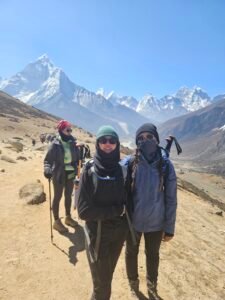
Gary